Over a period of years a long time ago, on my daily walks to and from work through a local community park, I used to watch groups of pre-schoolers playing in a very large sandbox. I was always struck by their singular focus on the primitive sculptures and projects they were building. Oblivious to events going on around them in the park, they directed all their energy towards the activities in the sandbox.
A few of the kids looked to be cooperating with each other, working diligently in pursuit of whatever objective they had settled on. Their interactions were punctuated by short bursts of conversation, lots of smiles, and the occasional whoop of glee when something came to fruition.

Most of the others in the group played alone, apparently unconcerned with the endeavours of their companions—typical of that age and stage of development. Quick flares of temper occasionally gushed forth, and angry exchanges, when one person’s endeavours somehow impinged upon another’s, but on the whole, the mass of children in the sandbox managed to coexist.
Their mothers—no fathers, alas—watched with a mix of pride and bemusement as their offspring played, secure and happy in the park.
As time passed, those children got older and left the sandbox, but they were replaced by a seemingly inexhaustible supply of similar youngsters, and the pattern remained the same. And everyone in the sandbox was concerned only with what was happening within its confines, no one with the goings-on in the rest of the park.
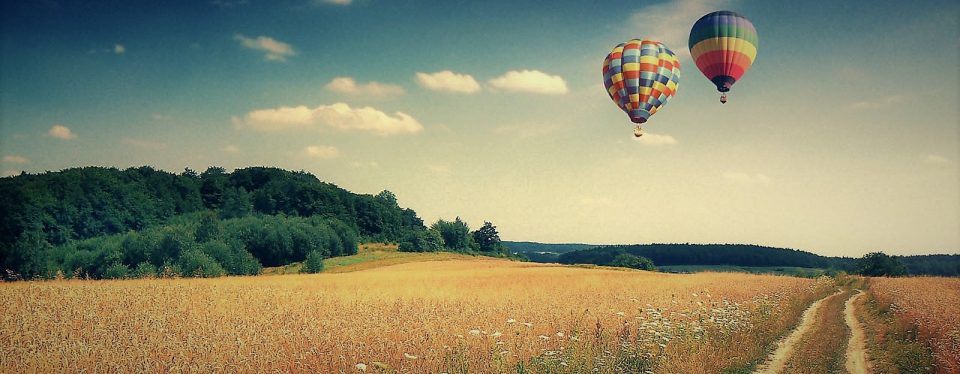
I noticed changes in the park at large, however. In the early years, it had been a sylvan haven for children and families—a place to gather with friends, to cool off under the trees on mid-summer weekends, to escape the pressures of the daily grind. As time passed, though, I began to miss the family gatherings, as many of those parents, some of them working two jobs, were no longer able to come. And at the same time, more and more older children began to frequent the area, not playing the sorts of games I was familiar with from my own childhood, but just hanging out. Loud music could often be heard, smoke hung over many of the conclaves, and occasional fist-fights would erupt between different groups. In time, the park became, not so much a family destination, as a place for the neighbourhood’s teenage kingpins to gather.
The children in the sandbox were affected by these changes, of course. Now, they had to avoid issues with the older kids if they hoped to play their games. But, for the most part, they were able to do that, and in their exuberance and innocence, they continued their childish pursuits, interacting with one another as their predecessors always had. None of them cared that the de facto ownership of the park had been co-opted.
To be sure, it never became a dangerous place, one to be avoided. I continued my daily walks with no fear, but I was aware of the changed dynamic, even if the sandbox urchins were not.
Today, long-since retired and no longer walking in that park, I think of it as an allegory of sorts to the present situation with our government. When I watch Question Period, for example, whether federal or provincial, the elected denizens of Parliament focus so much of their energies and time on what seems to me nothing more than spurious activities, full of sound and fury, signifying nothing, as Shakespeare wrote. As I watch and listen, I see again those pre-schoolers in their sandbox, engrossed in the small world they are occupying.
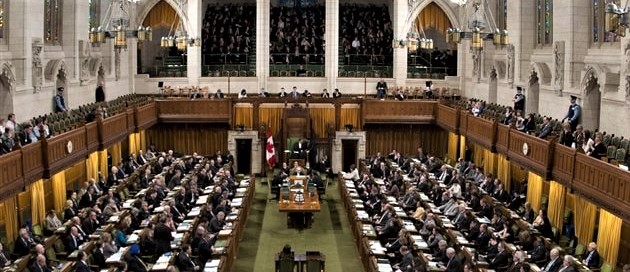
To be sure, legislation does get passed, much of it to the benefit of the country or province as a whole, even if never fully satisfying everybody. And that’s good. But I find it akin to the completion of those sandbox projects and sculptures that so pleased their creators—not insignificant, beneficial to their future growth and development, but accomplished only with such fuss and foofaraw as to be laughable.
A more serious situation, however, has developed outside the sandbox—the Parliament—in terms of who is really in control. While elected officials busy themselves with their daily perambulations, much as those pre-schoolers did, private-sector interests are busy trying to take over the park, so to speak. Be it wealthy, corporate entities, land-developers and real-estate companies, foreign-based media ownership, legal, banking, and financial firms, or myriad other lobbyist organizations, the environment around Parliament has undergone a radical change.
The ownership and culture of a local park are things to be gained or lost by the residents of the community in which it sits, according to their wishes and level of activism. Depending upon how a community responds, their sandbox may be lost.
But the ownership and culture of our provincial and federal Parliaments are embedded in our constitutional rights—they belong to us, the citizens of this country. Do we want to lose them? Have we entrusted them to the finest possible stewards, our best and brightest? Is there a fix for the encroaching, pernicious influence of the big-moneyed interests? What are we to make of foreign influence on our government?

More of us need to pay more attention to these questions, or all of us may end up losing our sandbox altogether.



 tallandtruetales