As I write this, autumn has entered its closing phase and winter beckons. For as long as I can remember, I have found this transitional time of year rather melancholy because autumn, with its glorious hues and shortening days, has forever been my favourite season. I’m always sad to see it end.
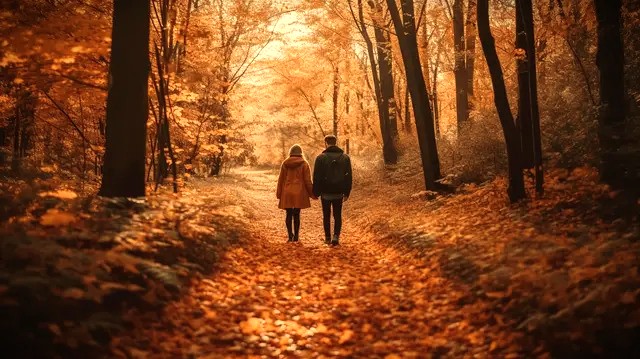
When we lived on a northern lake, my wife and I would take long, autumn walks down deserted backroads and footpaths, surrounded by riotous colours, smelling pungent smoke from woodstoves, kicking crunchy, curled-up leaves beneath our feet, appreciating the awesome silence of the boreal forest.
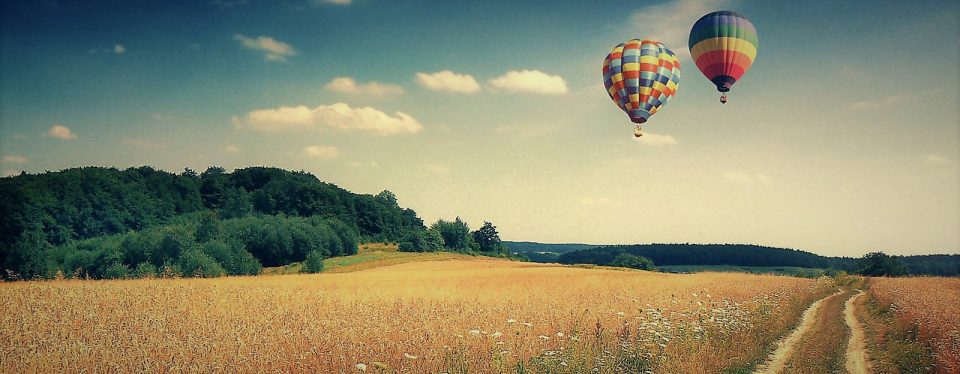
We enjoyed summer, too, of course, swimming and boating on the water. And winter brought its delightful adventures, skiing and snowshoeing across undisturbed vistas of sun-sparkled snow. Spring, our least favourite season, at least summoned everything back to green life for another cycle to begin. But it was always autumn that warmed our hearts.
With the season’s end this year, I’m reminded again of a song I first learned in grade 1, almost eighty years ago. The four lines, set to a sweet tune I still can sing, ran like this—
“Come away!” sang the river to the leaves on a tree,
“Let me take you on a journey, and the world you shall see.”
So, the leaves gently falling from the tree on the shore
Float away on the river, to come home nevermore.
The song, taken from a long-forgotten, school music book, was learned by rote, and I enjoyed singing it with my classmates. But the last phrase evoked an ineffable sadness in me back then, as if I feared I, a six-year-old boy, might not be able to go home someday. The very thought was terrifying. And more so now, given my advancing years, that last word conjures a sense of finality I don’t like to dwell upon.
Nevermore!
George Cooper, an American poet and lyricist, wrote something very similar to that little song, a ditty I came across much later—
“Come, little leaves,” said the Wind one day,
“Come to the meadows with me and play.
Put on your dresses of red and gold;
For Summer is past, and the days grow cold.”
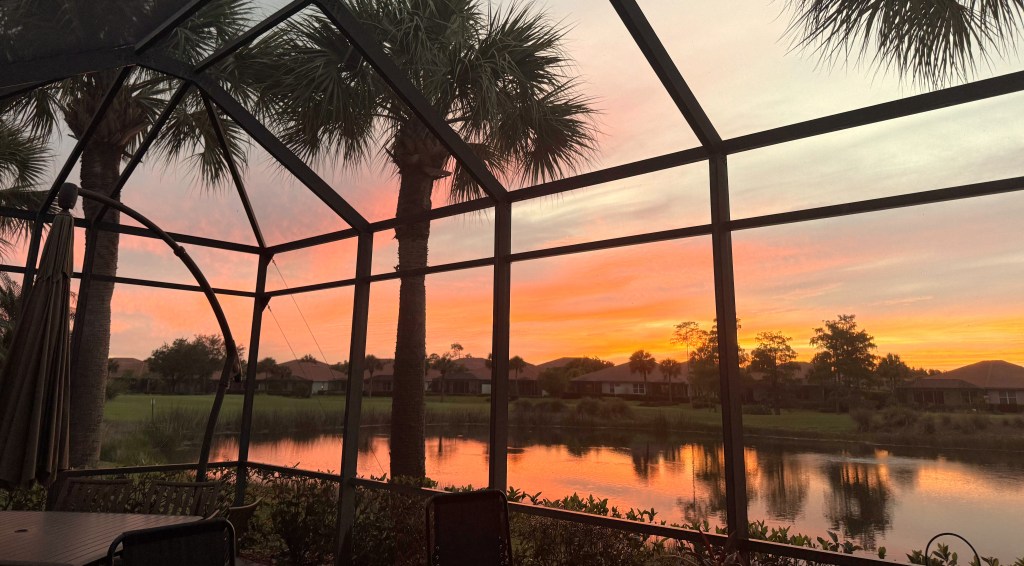
In our senior years, my wife and I are fortunate that the days don’t literally grow cold for us, ensconced in our Florida digs. Like those ripened, brittle leaves, we flee the onset of the northern winter as autumn closes down, to return only when spring has made its anticipated appearance.
We enjoy getting away, as did those leaves on the river or in the wind, because we know the perpetual cycle of seasons will continue only so long for us. We find ourselves more reflective now, more accepting of what is to come, than we were when we seemed immortal.
It is as if evermore is inching closer to nevermore.
Gustave Flaubert, the French novelist and poet, wrote a passage I enjoy about autumn—
…that melancholy season that suits memories so well. When the trees have lost their leaves, when the sky at sunset still preserves the russet hue that fills with gold the withered grass, it is sweet to watch the final fading of the fires that until recently burnt within you.
For my wife and me, those fires still burn, if not so fiercely anymore, and we look ahead to the next autumn we shall enjoy. But hopefully now, rather than expectantly. I tried to encapsulate our feelings in this haiku verse—
the sails of our youth,
once hoist, are often furled now,
‘though the winds still blow.
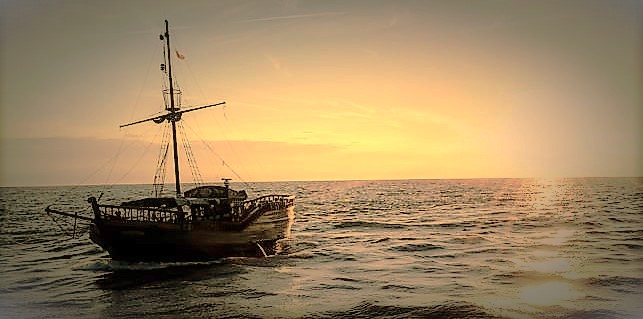
Eventually, I suppose, those winds will claim us some fine autumn day, as they do the leaves, and then, finally, the world we shall see.
Discover more from tallandtruetales
Subscribe to get the latest posts sent to your email.

