Speaking Shakespeare

For some readers, this post will appear in its entirety as an email in your inbox. To access the post in its true blog-setting, click on the title to read it.

The challenge in this piece was to have the story’s characters speak only the words of Shakespeare.

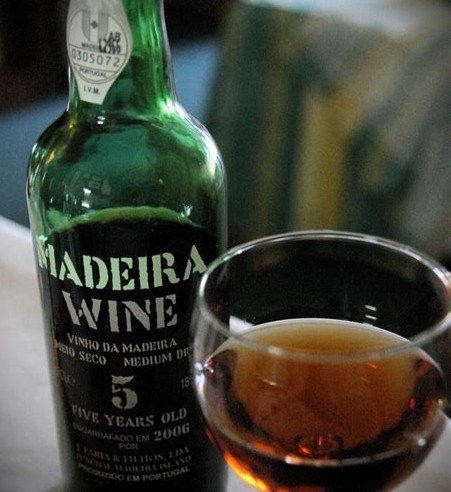
The three academics had been droning on in their usual fashion for more than an hour. Annabelle Fotheringham, widowed Professor Emeritus of the Classics, was still sipping daintily at her first glass of single-vintage Madeira. Her brother and colleague, Yorick Entwhistle, Dean of the College, was already on his third, yet mostly lucid. Arthur Wellesley, a great-great-great-grandson of the Duke of Wellington, and the College’s Distinguished Professor of English Literature for more than forty years, was savouring his second glass. All three friends appreciated the wine’s characteristic nuttiness, and its hints of caramel, toffee, marmalade, and raisins.
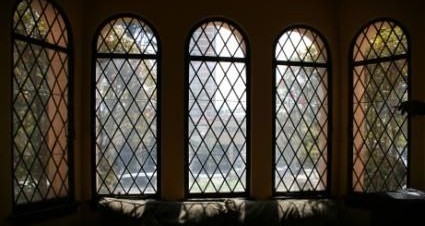
They were alone in the vaulted faculty lounge, each in a leather wingback chair in front of the stone fireplace that dominated the room. A dozen portraits of tweedy, long-since-departed faculty members gazed down austerely from musty portraits mounted on the walls between the leaded-glass windows that sheltered the lounge from a grey, drizzly, winter afternoon. Not one of the portraits was of a woman.

After packing his pipe with the fine Virginia tobacco he preferred, Wellesley struck a sulfurous match and puffed deeply, releasing plumes of bluish smoke into the cloistered air. Neither of his colleagues smoked, but they did enjoy the aroma that seemed to be soaked into the polished wooden walls of their surroundings.

“As flies to wanton boys are we to the gods,” Wellesley opined, replying to something Fotheringham had just said. “Lord, what fools these mortals be.”

“Misery acquaints a man with strange bedfellows,” Fotheringham said, nodding sagely. “Some are born great, some achieve greatness, and some have greatness thrust upon them.”

“Yes, but the devil can cite scripture for his purpose,” Entwhistle ventured. He lifted the decanter as he spoke, refilled his goblet. “There is a tide in the affairs of men, and we are such stuff as dreams are made on.”

The crackling fire was the only reply to that until Wellesley said, “We have seen better days, alas, but what’s done is done. When sorrows come, they come not as single spies, but in battalions.”

“For goodness’ sake, what a piece of work is a man!” Fotheringham scoffed. “To be or not to be, that is the question. All the world’s a stage, and all the men and women merely players.”

“Ay, there’s the rub,” Entwhistle replied. “But come what may, good men and true must give the devil his due.”

A blast of rain lashed the windows just then, followed by a thunderclap, as if the very devil he spoke of were seeking entry.  
“Knock knock! Who’s there?” Wellesley chuckled, tapping the dottle from his pipe into the burnished, brass ashtray-stand beside his chair. “Blow, winds, and crack your cheeks…full of sound and fury! Come what may, even at the turning of the tide, the lark at heaven’s gate sings.”

“Alas and alack,” Fotheringham cried, “indeed, you set my teeth on edge. Misery acquaints a man with strange bedfellows, ‘tis true, and now is the winter of our discontent. But this is much ado about nothing.”

Busily repacking his pipe, Wellesley had no reply to that. The rain continued to pelt the windows, but the contrapuntal crackle of the fire served as a soothing counterpoint to its bluster.

“As good luck would have it, we bear a charmed life,” Entwhistle murmured, his words slightly slurred from the effects of the wine. “We are more honoured in the breach than in the observance, more sinned against than sinning. But the short and the long of it is that we shall shuffle off this mortal coil, so we must stiffen the sinews.” Gesturing around the room with one arm, he finished, “Here is not the be-all and the end-all.”   

“’Tis neither here nor there,” Wellesley intoned, yellowed teeth clamped around his pipe-stem. “We have seen better days, but though this be madness, yet there is method in it.”

“A plague on both your houses!” Fotheringham declared, finishing her wine. “Come what may, ‘tis a foregone conclusion, cold comfort, a fool’s paradise. In my heart of hearts, I know all our yesterdays, filled with the milk of human kindness, will stand like greyhounds in the slips.”

Neither of her companions was entirely sure what she meant, and in truth, neither was she.

“The lady doth protest too much, methinks,” Entwhistle muttered as he added more Madeira to his goblet.

“Yorick, the better part of valour is discretion,” Wellesley cautioned him, afraid his friend might offend the lady. “The smallest worm will turn, being trodden on. Best you throw cold water on it.”

Entwhistle merely grumbled to himself, and his chin sagged onto his chest.

“Too much of a good thing!” Fotheringham said, pointing to Entwhistle’s goblet as he began to snore softly.

“Alas, poor Yorick! No more cakes and ale?” Wellesley smiled at his sleeping friend.

“And thereby hangs a tale, Arthur!” Fotheringham said archly as she rose to depart. “Such a sorry sight, my own flesh and blood!”

Wellesley got up, as well, and the two of them struggled to pull their inebriated colleague to his feet, his arms over their shoulders. “Once more unto the breach, dear friends, once more,” Wellesley sighed as they staggered with him to the door. “We cannot allow this to sully his spotless reputation.”

“Mum’s the word!” Fotheringham said. “The quality of mercy is not strained.”

“A ministering angel shall my sister be,” Entwhistle mumbled as they assisted him from the lounge.

Moments later, all that could be heard in the empty, cavernous room was the crackle of the fire and the relentless rain against the mullions.

All’s well that ends well, indeed.

Curmudgeon!

Curmudgeon! 

Such a wonderful word to roll around on your tongue.  It has a solid, satisfying sound when spoken aloud, dropping weightily into a conversation like a bag of sand thumping a wooden floor.  It is defined as somebody who is bad-tempered, disagreeable, or stubborn.

Not at all the person I believe myself to be!

Yet, according to several of those closest and dearest to me, I am becoming something of a curmudgeon.  They tell me it has to do with my rather determined efforts to hold fast to the social dicta instilled in me by my mother.

etiquette

Although it’s been seventy years since first that grand lady began educating me on the social niceties—and despite my knowing that the customs and mores of our changing society have altered since then—I cannot stop bemoaning the loss of what I consider to be simple etiquette.

Let me provide a few examples, taken from experiences we had with folks in the community where we used to spend our winters.  And, I don’t mean to give you the wrong impression of them; they were all lovely people, good-hearted, gracious, and kind.  It’s just that they didn’t necessarily subscribe to the things I learned at my mother’s knee.

When my wife and I would invite a few couples for a dinner party, for instance, and specify an arrival time of five-thirty, I didn’t appreciate when everyone would arrive, fashionably late, some twenty minutes past the expected time.  We’d be sitting anxiously alone, wondering if everyone forgot—worrying that the hot hors d’oeuvres would be cooled and soggy by the time we got to eat them.

hors d'oeuvres

“Oh, we just wanted to be sure you were ready,” our guests would say when I’d make a supposedly-offhanded comment about their lateness.

But you see, we were always ready when we said we’d be.  Always.  If we’d thought we needed more preparation time, we’d have set a later arrival target for everyone.  My mother believed it was proper to arrive when your hosts asked you to.

“There’s nothing fashionable about being late,” she would say.  “It’s just rude.”

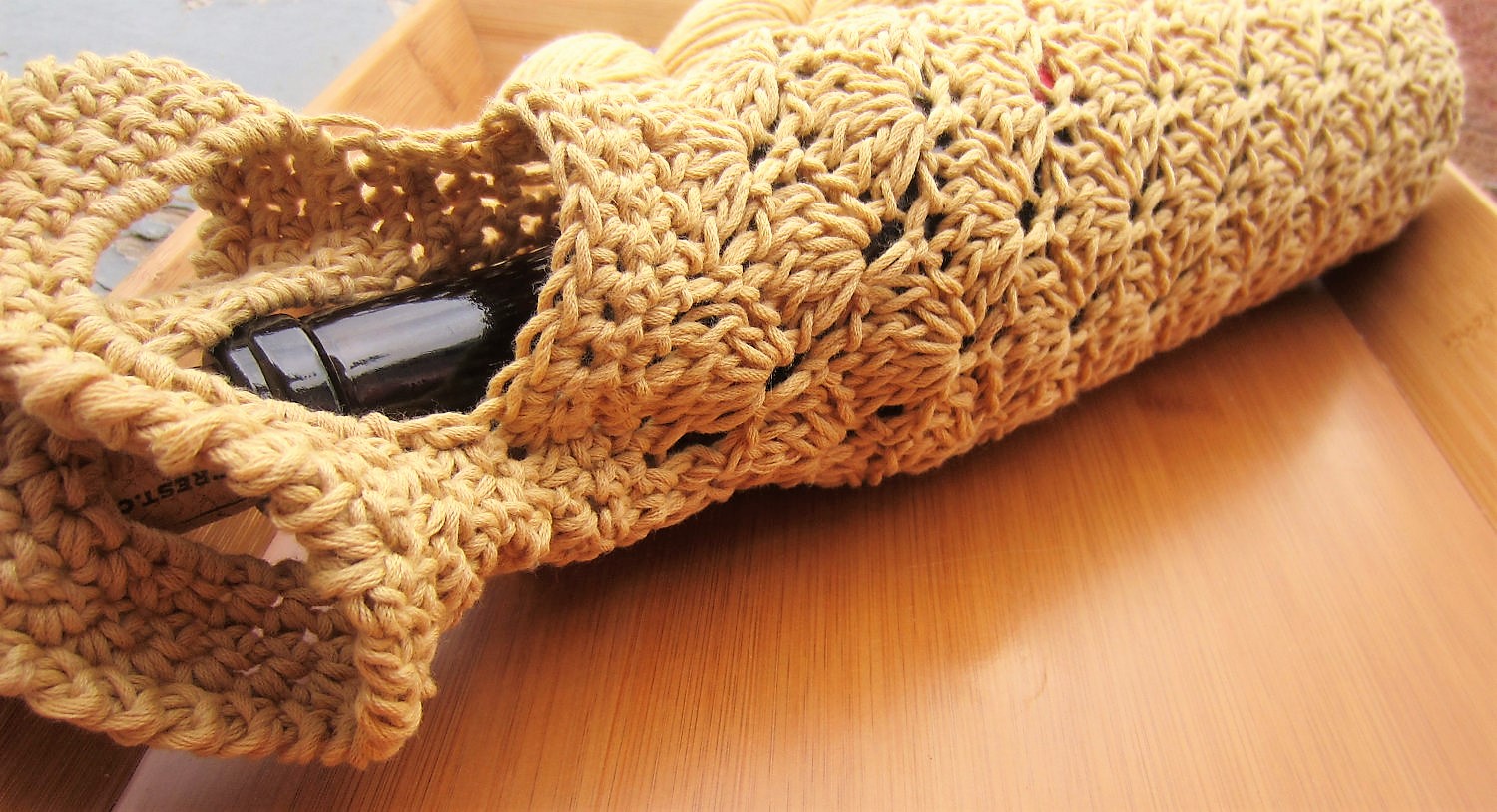
Hospitality gifts were another example.  Although they weren’t de rigueur, it became the thing to do as we visited back and forth at each other’s homes.  A favourite gift was a bottle of wine, nicely encased in a gift bag designed for the purpose—but never of the same vintage as might have been previously received from the same couple.

“Thank you,” I would say fulsomely as I pulled the bottle from the bag and set it to one side.  “We haven’t tried this one.  I’m sure we’ll enjoy it.”

“Aren’t you going to open it?” they’d ask.

“Uhh…no,” I’d reply, “not just now.  We have wine already selected for tonight.”

Their disappointment would be palpable as I proceeded to pour them a glass from the decanted wine I’d already planned for the evening.  And I was somehow made to feel as if I were offering a second-rate product, when sometimes, it was better than what they’d brought.

“How rude is that!” I’d rail at my wife after everyone had departed.  “And you know what’s even worse?  They took home the gift bag they brought their wine in!  Can you believe it?”

wine gift bag

My wife would tell me not to get so worked up, but it just didn’t seem right.

Here’s another case in point.  The day after our dinner party, some people would phone to thank us for the evening, graciously commenting on the food, the company, or the conversation among friends.  That’s exactly what my mother told me to do.

“Always call the following day to thank your hosts once again.”

But, increasing numbers of people don’t think to do that anymore.  Or perhaps they do think of it, but can’t be bothered.  Either way, it’s a classic breach of etiquette.

“Don’t worry about it,” my wife would say when I’d rail on about it.  “They thanked us several times at the door before they left.”

“It’s not the same,” I would respond, still miffed.

Now, lest you think I’m overly critical when I have no right to be, let me assure you that I tried to practice all these niceties when we were on the other side.  I’d ensure that we arrived on time, as specified by our hosts, never more than a minute out either way.

“Oh!  You’re here!” they’d say, lifting an eyebrow in surprise as they opened the door.

“Five-thirty,” I’d reply, with an exaggerated glance at my watch.  “That’s what you said, right?”

On one occasion, our hostess was still in the shower when we got there, at the appointed hour, and her husband wasn’t sure whether or not to let us in.

Of course, we always brought along a gift, usually the ubiquitous bottle of wine.  I’d proffer it unassumingly to our host, and often, to my great surprise, he’d open it immediately to pour us each a glass.  I found that mind-boggling.  It made me wonder if he didn’t have enough of his own, and was dependent on his guests for the evening’s libations.

“What if we’d brought flowers?” I’d rage later to my wife.

flowers2

And, so many times, when my wife or I would phone the following day to thank our hosts again for their hospitality, they would always sound bemused.  As if we shouldn’t have bothered.  As if they didn’t care, one way or the other.

“Don’t these people know any better?” I’d rant, scarcely coherent.  “Doesn’t anybody have any manners?  Why can’t they just do things right?”

“You mean your way?” my wife would reply sweetly.

“Yeah,” I’d say forcefully.  “The way my mother used to.”

But it would fall to my wife to have the last word in these discussions, and it’s a word that would always shut me up—at least temporarily.

“Curmudgeon!” she’d say.

curmudgeon


Condoms or Condos?

As a virtuous, young man—newly-married, not ready yet for children, and still naïve about worldly pleasures of the flesh—I had occasion to consult a pharmacist about the purchase of a certain safe-sex item for use at home.  Sheepishly, in a voice so low the white-coated gentleman had to lean over the counter to hear me, I asked him for a box of what I needed.

“Condos?” he repeated, much too loudly for my comfort.  “I think you mean condoms, sir!”

Embarrassed by the amused attention his declaration drew from nearby customers, I was forced to endure a short tutorial on the difference between condos (profitable investments) and condoms (prophylactic vestments).  I never forgot the distinction, a lesson that served me well when my wife and I eventually purchased a condominium apartment.

No longer young now, nor nearly so naïve, I am living high over our shoreline neighbourhood, looking out on Lake Ontario, one of 328 suites in two towers that comprise our community within the larger community.  To the east of us, the city’s glass-plated skyscrapers gleam like coppery fire at sundown each day, a testament to the vibrant metropolis we border.

Balcony View5

We, too, are a vibrant community, with so much to offer those who care to emerge from their cliff-dwellings to engage with their neighbours.  The towers share a club facility with amenities including:  an exercise wing, featuring separate gyms for women and men, separate saunas, a yoga studio, a squash court, an indoor golf range, a large swimming pool under massive skylights, a communal hot tub, and a tennis court; a sizable art room for painters of all persuasions; a woodworking facility, complete with enough power tools to make a carpenter envious; a large lounge, enclosed along one entire side with outsized windows affording a magnificent view of the lake, with a massive fieldstone fireplace at one end; a billiards room; and magnificent grounds, shaded by mature trees, with gardens and ponds galore.

Gatherings in the lounge are frequent for many club activities, including bridge and euchre clubs, book clubs, a choral group, coffee klatches, knitting groups, readers in the library—and lots more besides.  In many ways, the club is a social centre for the two towers.  At least, it is for those who choose to take part.

One of our favourite activities is the Friday late-afternoon gathering, where residents and guests congregate for an informal cocktail party before dinner.  It used to be called Happy Hour, but is known now as After Five, and everyone brings their own libations downstairs.  In the winter, a roaring fire crackles in the hearth; in summer, doors are thrown open to the lake breezes.  We find it a happy time, my wife and I, a lovely way to keep in touch with friends and neighbours.  And nobody has to drive home!

Apparently, however, not everyone agrees with us.  On our way to the lounge one day we encountered a couple in the corridor, obviously returning from grocery shopping.  We didn’t know them, but it’s our habit here to offer a polite hello to all and sundry.  The man merely nodded curtly in reply.  His wife, pulling a laden bundle-buggy several paces behind him, must have seen the wine bottle case hanging from my shoulder.

“Oh, right,” she sniffed, “it’s the drinking night again!”

We were too nonplussed to reply and carried on to our destination, struck by the tone of disapproval in her voice.  I’ve since thought of many a response I might have made, but I know the opportunity is gone.  And I’ve wondered what it is that makes some people so judgmental.

On another occasion, not too long ago, we were returning from After Five, and were joined in the elevator by neighbours from our floor, people we rarely run into.  They keep pretty much to themselves, but we see them out walking from time to time.

“Greetings, neighbour,” the man said, pointedly checking to make sure I’d pressed the right button for the elevator.

“Hello,” I replied.

“I see you’ve been downstairs drinking,” he continued.  “We’ve been out for a long walk, our second of the day, I might add.”  His wife stared at the floor.

“Wow!” I replied, feigning admiration.  “We were out earlier, too.  But I don’t try to walk when I’m drinking.  Afraid of falling down.”  It was the first retort that sprang to mind.

Silence accompanied us to the twentieth floor where we went our separate ways.

“That was childish,” my wife chided gently as we entered our suite.  “But I loved it!”

It mystifies me as to why people are like that.  And I can never understand why they don’t take part in the myriad activities and events offered here.

“It was childish,” I conceded.  “But people like that bug me.  Instead of being con-do’s, like we are, they’re con-don’ts.  Where’s the fun in that?  And why do they condemn us for taking advantage of what’s here?”

For some reason, these incidents reminded me of my long-ago confusion about condoms and condos, and the linguistic lesson I suffered through.

“You know what?” I said to my wife.  “People like that aren’t living in a condo, or a condominium.  They’re living in a condo-minimum!

And on that note, we had another glass of wine with dinner.