
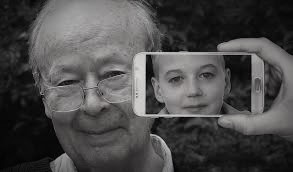
Almost a half-century ago, an older colleague advised me to surround myself with friends who were, not only my age, but younger and older, as well. “With friends your age and younger, you’ll be sharing memories you’ve made together while still able to create new ones. And when you make friends with older people, you’ll learn a lot from their sharing with you the experiences they’ve had.” He didn’t tell me one is silver, the other gold, but I got the drift.
His advice made a lot of sense to me, and to this day, my wife and I can claim friends who are in their nineties and others in their twenties. “You never want to see older friends die,” my colleague said, “but they will. And when that happens, you’ll find solace in the company of the younger ones.”
That same colleague also told me, tongue-in-cheek, “I don’t need to make more friends. I have trouble keeping up with the friends I already have!”
I didn’t get it at the time, but nearly fifty years on, I better understand what he was saying. We have many friends we barely get to see anymore, given the obligations we all have, the distance we live away from each other, and the vicissitudes of getting older. If it weren’t for social media, I doubt we’d even be in touch with some of them. It’s not that we don’t consider them friends anymore; rather, it’s an inability to keep up.
I first met the friend I’ve known longest when we were fifteen, and sixty-seven years later, that friendship endures. But we see each other in person only two or three times a year now, and even those few meetings seem to require a good deal of advance planning. Moreover, there’s always the chance that one or other of us will have to cancel because of unexpected illness.
I remember my mother in her later years, living longer than my father and most of her friends. Near the end, there was but one longtime friend left, and their children would drive them to an afternoon get-together. Eventually, though, even that proved impossible, and they were reduced to talking by phone—a poor substitute. I dread that day’s arrival for me and my friend.
On a brighter note, my wife and I have acquired five new adult friends over the past half-dozen years. Our five grandchildren have all attained the age of majority now, and are attending university or, having graduated, are working full-time. They all live away from home—two from our eldest daughter and her husband, three from our youngest and hers—but close enough to us that we see them frequently on holidays and family occasions.
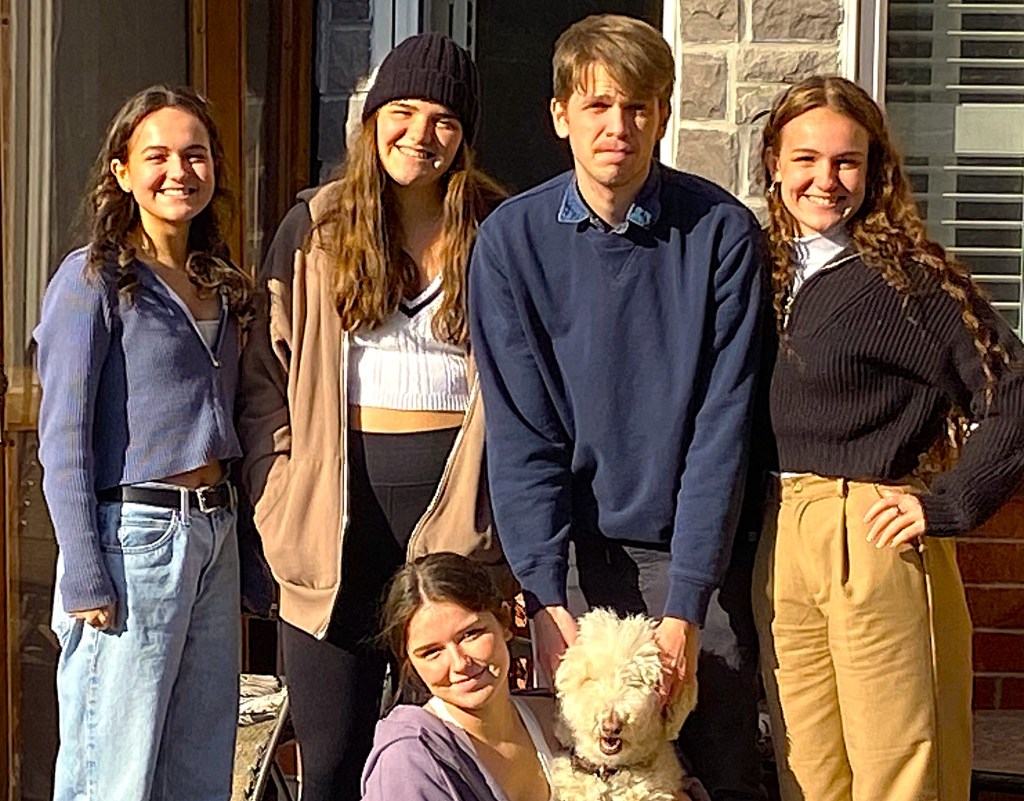
When they were children, we interacted with them lovingly, but with the slightly patronizing manner typical of conversations between elders who’ve seen and done it all and youngsters who are still finding their way. We never spoke to them in ‘baby-talk’, always recognized their unique intellect and agency, and considered them, not friends, but beloved grandchildren. And they regarded us, I think, as loving grandparents.
It’s different now, though. They’re still beloved by us, of course, and we by them; nothing could change that. But as they’ve grown into adulthood, they’ve become friends, not just grandkids. They’ve developed their own sets of values—thankfully, not identical to ours, nor to each other’s, but not in contradiction, either. They have their own viewpoints on issues facing them, and feel free to discuss those with us. They no longer accept everything we say as gospel, but they’re polite in their disagreements. And they back up their points of view with rational thought.
No longer are they participants in our world; instead, we have become participants in theirs.
As a young teacher, I remember cautioning parents of my students that, by helping children learn to think critically, we must accept the likelihood that they’ll think differently than we do about many things. It’s a delight now to find that is the case with our grandchildren. And a greater delight that it’s given us so much to talk about.
Three of them have come to visit us in Florida during the past year or so, all with boyfriends. So, we’ve been included in their conversations with each other, heard what they think about goings-on in the world, which has opened up new avenues of perspective for us. We’ve listened to their music, and they to ours. We’ve gone with them to the beach, to the mall, to restaurants, to the pool—all things we used to do with our older friends in years gone by.
When my colleague first told me the wisdom of cultivating friends of all ages, I confess I never anticipated some of those would be our grandchildren. But so it has turned out, and we are blessed.
As the familiar ditty advises, Make new friends, but keep the old…




















 tallandtruetales